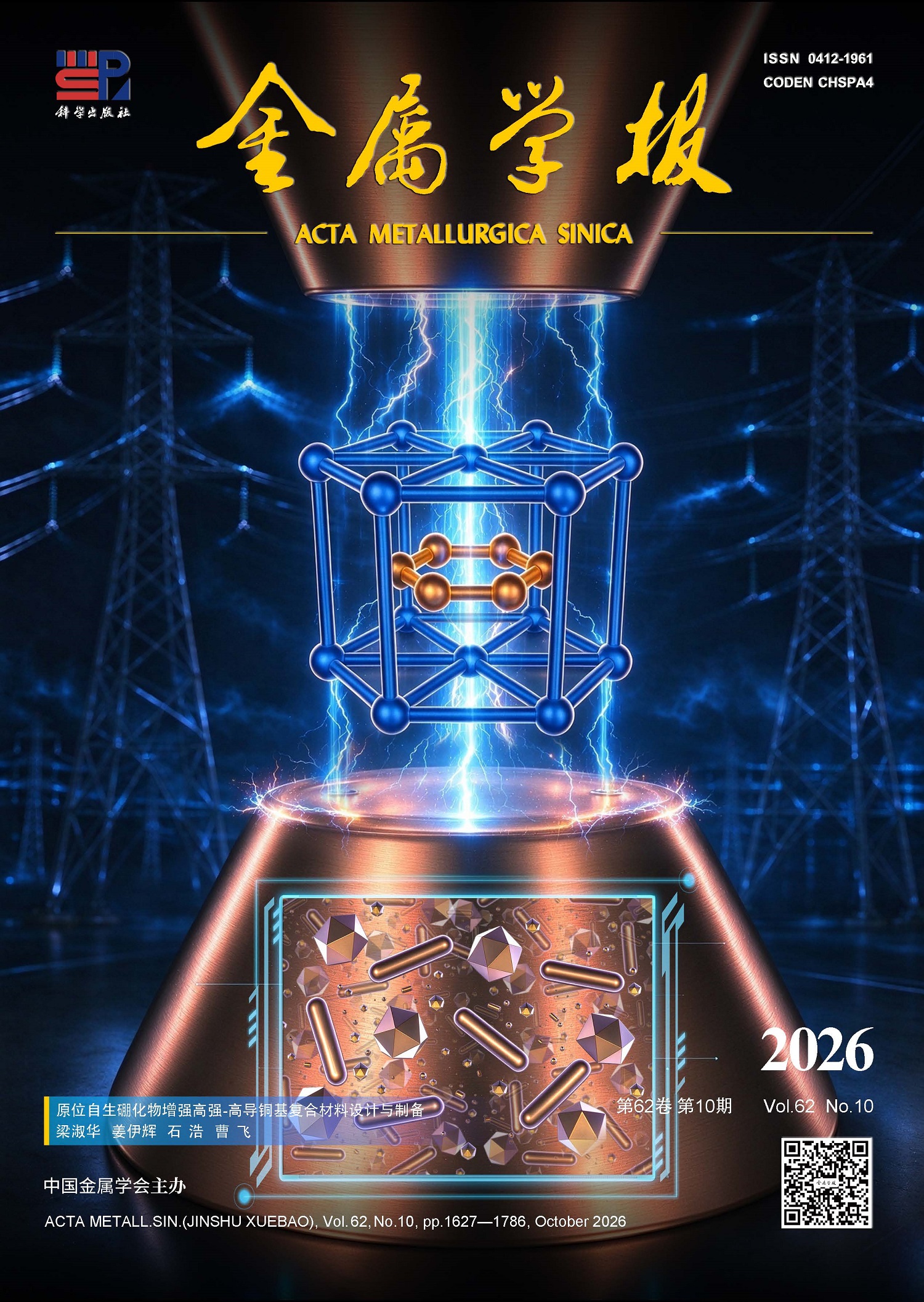
Copper matrix composites exhibit excellent softening resistance at elevated temperatures. Therefore, they are promising electrically conductive materials for applications in demanding service environments. However, conventional copper matrix composites face a persistent tradeoff between mechanical strength and electrical conductivity. Therefore, to address this challenge, this study proposes a design strategy based on the precise control of in situ reaction timings during copper matrix composites fabrication via dual-beam melt mixing control technique, enabling the formation of reinforcements with multiple compositions, morphologies, and length scales. Considering the different processing characteristics of casting and powder metallurgy, copper matrix composites are designed and fabricated with hybrid and hierarchical reinforcement architectures. The strengthening efficiency of these reinforcements is improved via the synergistic effects of multitype and multiscale reinforcements, thereby overcoming the tradeoff between mechanical strength and electrical conductivity. Using copper matrix composites containing in situ-formed boride phases as a representative material system, this study systematically examines microstructural design principles for developing high-strength, high-conductivity materials. The analysis integrates the intrinsic characteristics of the Cu-boride system with the processing features of conventional metallic manufacturing routes, including casting and powder metallurgy. This study presents several design strategies, including the hybridization of particle and whisker reinforcements, hybridization of microscale and nanoscale reinforcements, and construction of hierarchical architectures comprising particle microclusters and nanoprecipitates. These strategies enable the simultaneous improvement of mechanical strength and electrical conductivity.
Nb-Si-based ultrahigh-temperature alloys are considered promising candidates to replace conventional Ni-based superalloys in hot-end aerospace components operating at 1200-1400 oC owing to their high melting point, low density, high-temperature strength, and creep resistance. Their microstructures generally comprise a niobium solid solution (Nbss) and silicide phases, with the Nbss providing room-temperature toughness and the silicides imparting high-temperature strength and thermal stability. However, the inherent brittleness of the silicides, insufficient continuity of the Nbss phase, and the difficulty of forming a stable protective oxide scale at elevated temperatures create a long-standing trade-off between room-temperature fracture toughness and high-temperature oxidation resistance, thereby severely limiting the engineering applications of these alloys. This review focuses on the relationships among processing technology, microstructure, and properties in Nb-Si-based alloys. The effects of directional solidification, arc melting, powder metallurgy, and additive manufacturing on phase constitution, microstructural characteristics, and properties are systematically summarized. Particular attention is given to the roles of Ti, Zr, Mo, Cr, Al, B, Ta, Hf, and rare-earth elements in phase stabilization, microstructure optimization, strengthening, toughening, and oxidation resistance. In addition, the synergistic and antagonistic effects of multi-element alloying are discussed in terms of suppressing Nb3Si formation, stabilizing beneficial silicides, maintaining Nbss continuity, and promoting the formation of protective oxide scales. Finally, current challenges, including the lack of unified performance evaluation criteria, insufficient understanding of composition-process coupling, and limited design strategies for simultaneously enhancing toughness and oxidation resistance, are highlighted. Future directions for the design and development of high-performance Nb-Si-based ultrahigh-temperature alloys for extreme service environments are also proposed.
The Fukushima nuclear accident in Japan highlighted the susceptibility of zirconium alloy fuel claddings. Exposure to high temperatures caused the cladding to react rapidly with steam, resulting in the release of hydrogen and subsequent explosions. These events led to significant radioactive leakage, posing substantial risks to public and environmental safety. To mitigate these risks, accident-tolerant fuel claddings have been proposed as a replacement for traditional zirconium alloy claddings. In recent years, research has focused on developing accident-resistant cladding materials domestically and internationally. FeCrAl alloys have emerged as key materials for medium- and long-term fuel cladding solutions because of their exceptional resistance to high-temperature steam corrosion and superior performance under irradiation. Significant progress has been made in the screening of alloy compositions, the optimization of processing methods, and the evaluation of service performance. Full-scale FeCrAl tubes have progressed to the critical stage of neutron irradiation tests. This paper comprehensively reviews nuclear-grade FeCrAl alloys and evaluates their performance under normal and accident conditions. This review examines the uniform and stress-corrosion behavior of FeCrAl alloys in high-temperature water, the factors influencing these properties, and their oxidation performance in high-temperature steam. The paper also summarizes the impact of irradiation on the alloy's microstructure and mechanical properties, highlighting the role of irradiation in accelerating uniform and stress corrosion. This analysis provides significant insights into the service performance of FeCrAl alloys and offers valuable knowledge to support their continued optimization as enhanced, accident-tolerant fuel cladding materials.
Silicon carbide fiber-reinforced silicon carbide ceramic matrix composites (SiCf/SiC CMCs) are considered strategic thermal, structural materials for advanced aircraft engines due to their lightweight, high specific strength, and excellent high-temperature capability. In harsh combustion environments, environmental barrier coatings (EBCs) are required to protect SiCf/SiC CMC from water vapor corrosion and low-melting-point oxide corrosion, ensuring the long-term serviceability of SiCf/SiC components. The development of next-generation high thrust-to-weight ratio aero engines has imposed more stringent requirements on the service life and temperature resistance of EBCs. Typical EBCs consist of a ceramic topcoat and a Si bond coat. However, the water vapor corrosion and oxidation of Si are essential factors contributing to EBC failure during service. Doping rare earth (RE) elements into the Si bond coat is expected to enhance its high-temperature capability and corrosion resistance, making it a promising strategy for developing advanced bond coat materials. For rare earth element-modified Si bond coat materials, composition variations fundamentally influence performance changes, including phase composition. However, the composition-property relationship of rare earth-modified Si bond coats remains unclear. In this study, Yb-Gd modified Si bond coat material chips were prepared using multi-target magnetron sputtering for co-deposition and were characterized using a high-throughput method. Transformation trends were identified by analyzing the phase composition and micromorphological changes in different Yb-Gd silicide compositions under extreme conditions (1100 and 1300 oC in an air atmosphere and 1300 oC in a water vapor-air atmosphere). It was found that the primary oxidation products of the Yb-Gd-Si ternary rare earth silicide at high temperatures are RE9.33(SiO4)6O2 and RE2SiO5 (where RE = Gd, Yb). RE2SiO5 undergoes a phase transformation from X1 to X2 as oxidation temperature increases. The morphology of Yb-Gd-Si silicide varies with composition after high-temperature water vapor corrosion. The corrosion mechanism involves initial oxidation, followed by the dissipation of Si and RE in the form of Si(OH)4 and RE(OH)3 under water vapor flow, where different silicon contents lead to distinct corrosion morphologies.
Owing to their unique hetero-deformation induced (HDI) strengthening and strain hardening effect, bimodal structure alloys can exhibit excellent strength-ductility synergy. However, the roles of the HDI mechanism remain incompletely understood. This study establishes a micromechanical model of the bimodal structure of pure Cu with 230 nm fine grains and 3 μm coarse grains as an example and estimates the HDI effects on the mechanical properties of Cu. This model is based on the Mori-Tanaka mean field method. The bimodal structure comprises a particulate inclusion phase of coarse grains (soft zone) and a hard matrix phase of fine grains (hard zone). Combining plastic strain gradient and dislocation theories, the HDI effect is proposed as a three-stage process of soft zone hardening, hard zone softening, and stress repartitioning, thereby providing quantitative assessments of the HDI effects on the overall mechanical behaviors of bimodal copper. Based on the experimental observations, the forward stress effect is considered to result from softening via the disentanglement and annihilation of entangled dislocations and from hardening caused by shear band formations. The model predictions favorably agree with the existing experimental data. The role of the forward stress effect in the mechanical response is apparently enhanced when the hard zone (230 nm grains) completely encloses the soft zone (3 μm grains). Moreover, increasing the volume fraction of the soft zone decreases the overall strength and reduces the ductility of Cu. At soft zone fractions of 25%-30%, the strength and ductility were optimally balanced with a tensile strength of 417-420 MPa and an elongation of 28.2%-29.8%. The ultimate tensile strength and elongation were 7% lower and 10-fold higher, respectively, than those of unimodal 230-nm-grained Cu and almost doubled and halved, respectively, from those of unimodal 3-μm-grained Cu.
Zinc-based alloys are emerging as the next generation of degradable metals due to their favorable degradation rates. Additive manufacturing offers the capability to produce personalized structures, making it a promising method for generating biomedical metal components. However, during laser powder bed fusion (LPBF), zinc-based alloys can experience significant evaporation because of their low melting point, which often results in poor surface quality. Optimizing powder morphology and particle size present a potential strategy to enhance forming quality. In this study, two Zn-1Mn-0.4Mg (mass fraction, %) alloy powders with particle sizes of 15-53 μm and 30-75 μm were produced using electrode induction gas atomization (EIGA) and the plasma rotating electrode process (PREP), respectively. Bulk alloys were fabricated using LPBF, and the processing windows for both powders were compared to investigate the effects of powder morphology and particle size on the microstructural and mechanical properties. The results indicated that PREP powders, which exhibited better sphericity and larger particle size, had a broader and more stable LPBF processing window. This led to bulk samples with higher density and smaller grain sizes compared to those prepared with EIGA powders. Under the processing parameters of laser power P = 50 W and scanning rate V = 600 mm/s, both bulk sample types displayed similar tensile yield strength (~210 MPa) and ultimate tensile strength (~285 MPa). However, the compressive yield strength of the EIGA + LPBF samples ((288.2 ± 4.3) MPa) was slightly higher than that of the PREP + LPBF samples ((258.5 ± 3.5) MPa). By contrast, the PREP + LPBF samples demonstrated significantly greater tensile elongation (21.8% ± 2.3%) compared to the EIGA + LPBF samples (3.3% ± 0.7%). This enhanced ductility was primarily attributed to the more homogeneous thermal conductivity and strain distribution in PREP powders during the LPBF process.
Cu-Fe alloys are promising for electrical engineering applications due to their ability to combine high strength with excellent electrical conductivity. Conventional casting, however, suffers from severe limitations: metastable liquid-phase separation during solidification causes pronounced compositional segregation, while dissolved Fe atoms scatter conduction electrons, significantly reducing the Cu matrix conductivity. To address these issues, this study employs a novel fabrication route integrating cold spraying (CS) with post-deposition heat treatment (HT) and cold rolling (CR) to produce high-performance Cu-10Fe in situ composites. Spherical gas-atomized Cu and Fe powders were mechanically mixed and deposited onto an Al substrate using nitrogen propellant gas. The CS deposits underwent vacuum annealing at 600 oC for 24 h, followed by severe CR with 99% thickness reduction. Microstructural evolution, strengthening mechanisms, and electrical conductivity were systematically characterized using SEM, EBSD, and TEM/EDS. The CS deposit exhibited a gradient nano-grained structure, comprising ultra-fine Cu nanograins (80-800 nm) surrounding deformed micron-sized Fe grains (3.5-10.0 μm) and coarser micron-sized Cu grains (1.5-10.0 μm), with low porosity (0.13%). Subsequent HT induced static recrystallization in the Cu matrix, producing equiaxed grains (~3.9 μm) and promoting recovery/recrystallization in the Fe particles. Interestingly, HT increased porosity to 0.86% and weakened some Cu/Fe interfaces, likely due to thermal expansion mismatch. Severe CR (HTCR state) markedly transformed the microstructure: equiaxed grains elongated along the rolling direction, forming Cu grains with strong <111> and <211> fiber textures and Fe fibers with a dominant <110> texture. This HTCR process enhanced interfacial bonding and reduced porosity to 0.09%, yielding a dense composite. Importantly, no mutual solid solubility between the Cu matrix and Fe fibers was observed, except for a narrow (~20 nm) atomic diffusion layer at the interfaces, as confirmed by TEM/EDS. The absence of Fe solute in Cu is critical for maintaining high electrical conductivity. The HTCR composite exhibited an exceptional combination of properties: an ultimate tensile strength of 550 MPa, far exceeding the CS (190 MPa) and HT (233 MPa) states, and a high electrical conductivity of 72%IACS. Its remarkable strength arises primarily from fine-grain strengthening, dislocation strengthening, and load transfer strengthening via Fe fibers. Notably, the experimentally measured strength (495 MPa) exceeds the calculated contribution from these mechanisms alone (367 MPa), highlighting the significant role of hetero-deformation-induced strengthening and potentially underestimated fine-grain strengthening from sub-EBSD-resolution grains. Together, these mechanisms account for the composite's ultrahigh strength. The high electrical conductivity results from the absence of Fe solute scattering in the Cu matrix, improved interfacial bonding and pore elimination during HTCR process, and the alignment of elongated Cu grains and Fe fibers along the current path, minimizing electron-scattering interfaces. Compared to conventionally fabricated Cu-Fe alloys (e.g., casting, powder metallurgy), the CS + HTCR Cu-10Fe composite exhibits a superior strength-conductivity balance. This study demonstrates that CS combined with tailored thermo-mechanical processing (HT + CR) provides an effective, industrially viable route to high-strength, high-conductivity Cu-Fe in situ composites with uniform composition and dense microstructure.
With the growing demand for rare-earth permanent magnetic materials and the overexploitation of rare-earth resources, ThMn12-type SmFe12-based alloys have attracted significant research interest. However, the SmFe12 phase exhibits poor structural stability and decomposes into the α-Fe phase at room temperature, drastically reducing the alloy's coercivity. The challenge of developing bulk SmFe12-based alloys with high coercivity has hindered their application as permanent magnetic materials. This study optimized Ti doping concentrations to achieve nearly single-phase SmFe12-based alloys. The SmFe12-based alloy ingot demonstrated high saturation magnetization but low coercivity. Amorphous SmFe11Ti1 alloy powder was prepared via high-energy ball milling, followed by rapid hot-pressing sintering, which induced crystallization and yielded nanocrystalline SmFe12-based sintered magnets with high phase purity. The combination of high-energy ball milling and rapid hot-pressing sintering significantly enhanced the coercivity of the sintered magnets compared to the original ingot. By optimizing the heat treatment process, the grain size and phase constitution of the alloy were effectively controlled. After heat treatment, the main phase remained SmFe12, with grain sizes approaching the single-domain dimension of SmFe12, leading to further coercivity enhancement. The approach proposed in this study—synergistically tailoring the phase constitution and microstructure of SmFe12-based alloys through alloying, nanocrystallization, and heat treatment—offers a new pathway for developing high-coercivity SmFe12-based magnets.
With the global emphasis on renewable energy, the development of large-scale energy storage technologies has become essential for achieving carbon neutrality. Lithium-ion batteries (LIBs) are currently the most widely used and technologically mature energy storage systems; however, resources such as Li, Co, and Ni are scarce in China, resulting in high production costs. Moreover, the growth of lithium dendrites poses serious safety risks, as these structures can penetrate the separator, cause short circuits, and potentially lead to thermal runaway, fires, or explosions. In light of these challenges, while significant progress has been made in developing protection strategies for LIBs, researchers are increasingly exploring alternative metal-ion battery systems, including magnesium-ion, sodium-ion, and zinc-ion batteries. Among these, rechargeable magnesium-ion batteries (MIBs) are considered one of the most promising next-generation energy storage technologies. Compared with metallic Li, metallic Mg offers a higher volumetric capacity and a relatively low reduction potential. In addition, Mg is more abundant in the Earth's crust and theoretically resistant to dendrite formation under appropriate conditions due to its low self-diffusion barrier. Its chemical stability in air and lower flammability also contribute to improved operational safety. MIBs thus present a promising route toward safe, high-capacity energy storage. However, challenges such as uneven stripping and high overpotential at the Mg anode lead to pitting corrosion and premature failure. To address these issues, a Mg-0.1Sn (mass fraction, %) anode material with a homogeneous equiaxed structure was prepared via extrusion, yielding an average grain size of (15.6 ± 2.4) μm and a texture strength of 17.40 MRD. The electrochemical performance of this alloy was compared with that of a pure Mg anode to achieve more uniform and rapid Mg deposition/stripping behavior. At a current density of 1.0 mA/cm2 and a deposition capacity of 0.5 mA⋅h/cm2, the overpotential of the T0//T0 symmetric cell was only 0.21 V, maintaining stable operation for up to 1000 cyc, whereas the P-Mg//P-Mg cell sustained only 505 cyc. The T0//Cu half-cell also exhibited excellent cycling stability for over 450 cyc with an average coulombic efficiency of 98.88%. In contrast, after 230 cyc, the coulombic efficiency of the P-Mg//Cu cell fluctuated significantly and remained comparatively low. Furthermore, when paired with a Mo6S8 cathode, the T0//Mo6S8 full cell maintained good cycling stability for over 1800 cyc at a rate of 1 C. The superior cycling performance of the Mg-0.1Sn anode is attributed primarily to the uniform solid solution of Sn within the Mg matrix. Furthermore, the Sn component participates in the charge-discharge processes, effectively mitigating volume expansion and suppressing microcrack propagation. Meanwhile, the formation of SnCl2 on the anode surface reduces the local Cl- concentration, thereby slowing electrolyte corrosion and enhancing overall electrode stability.
To investigate the service behavior of aerospace-grade Al-Zn-Mg-Cu alloys under thermomechanical coupling conditions, this study examines the effects of preaging treatment on their hot deformation behavior through thermal simulation experiments. The flow stress curves obtained from these simulations reveal the following: at a low strain rate of 0.01 s-1, the flow stress in the solid-solution state exceeds that in the aged state during hot deformation at 293 and 473 K. However, between 573 and 743 K, the aged state exhibits higher flow stress than the solid-solution state, with the difference diminishing as the temperature increases. At a high strain rate of 0.5 s-1, the flow stress difference between the solid-solution and aged states decreases with increasing temperature, while that increases abnormally at 743 K. To understand these phenomena, microstructural evolution in the aged and solid-solution Al-Zn-Mg-Cu alloys was studied using SEM, EBSD, and TEM. The results show that at low strain rates and 473-573 K, a high density of precipitates leads to entanglement of the dislocations, leading to low deformation storage energy and high thermal deformation activation energy in the aged alloys. This results in poor matrix recovery and enhanced deformation resistance. At 673 K, discontinuous coarsening of the precipitates and an increase in the deformation storage energy increase the dynamic recovery volume fraction of the aged alloy. At 743 K, the presence of small spherical particles that pin dislocations increases the deformation storage energy and promotes dynamic recrystallization (DRX) in the matrix, resulting in flow stress in the aged state comparable to that in the solid-solution state. At high strain rates, the occurrence of geometric DRX in the aged alloy further increases the DRX volume fraction, thereby reducing the flow stress.
The site occupation of alloying elements on various sublattices of intermetallic compounds directly affects their properties. The precipitation of the α2 phase (Ti3Al intermetallic compound) serves as a key strengthening mechanism in high-temperature titanium alloys. However, due to the complex composition of these alloys and the nanoscale size of the α2-Ti3Al phase, the occupation behavior of alloying elements in α2-Ti3Al remains unclear. Theoretically, this behavior can be predicted by calculating the formation energies of alloying atoms on different sublattices, which requires knowledge of the chemical potentials of the matrix atoms (Ti and Al in Ti3Al) as reference energies. Conventionally, these chemical potentials are approximated by the energies of the elements in their standard states. However, this approach is inadequate for determining site occupations in α2-Ti3Al precipitated in high-temperature alloys, as it neglects the phase equilibrium between the precipitate and matrix, which governs the chemical potentials. In addition, the influence of temperature on site occupation in α2-Ti3Al has not yet been theoretically addressed. In this study, the chemical potentials of Ti and Al are evaluated based on the phase equilibrium between the α-Ti matrix and the α2-Ti3Al precipitate. The formation energies of alloying elements on Ti and Al sublattices are then computed using first-principles methods, and their site preference is assessed by comparing these formation energies. Furthermore, the temperature-dependent partitioning of alloying elements between the two sublattices is determined based on site preference energy. The results show that, at service temperatures of high-temperature titanium alloys, elements such as Sc, V, Cr, Mn, Fe, Y, Zr, Nb, Mo, Tc, Ru, Hf, Ta, W, Re, and Os preferentially occupy the Ti sublattice; Si, Ni, Cu, Zn, Ga, Ge, Ag, Cd, In, Sn, Pt, Au, Hg, Tl, and Pb preferentially occupy the Al sublattice; while Co, Rh, Pd, and Ir distribute over both sublattices.
Ferrite precipitation-strengthened steel characterized by a large amount of nano-carbide precipitates has been widely used in the automotive industry to meet its growing energy-reduction requirements. Because of its high strength and excellent tensile flange properties, it has always been of great interest to researchers. Among the topics of interest, the composition of nanoscale carbides and their precipitation behavior have always been a popular subject area of research. In recent years, studies have confirmed that the addition of Cr is beneficial to the formation of nanoscale complex carbide in ferrite and can refine the size and increase the number density of precipitates, thereby enhancing the strength of the ferrite. The precipitation behavior of carbides is closely related to the phase transformation of ferrite. However, there is controversy about how Cr affects the kinetics of the ferrite phase transition. This study investigated the effect of Cr on the isothermal decomposition behavior of austenite in low-carbon Ti-bearing microalloyed steel using experimental and numerical simulation methods. The driving forces behind the transformation of ferrite and pearlite, as well as the growth kinetics of ferrite, were calculated using Thermo-Calc software for thermodynamics. The reasons for Cr promoting the formation of pearlite were elucidated through first-principles calculations. The isothermal experimental results indicate that Cr element inhibits the nucleation and growth of ferrite and promotes the decomposition of austenite into pearlite. Thermodynamic calculations show that Cr reduces the driving force behind the γ-α phase transition, which results in an increase in the critical nucleation radius (r*) and critical nucleation work (ΔG*). Moreover, Cr significantly reduces the diffusion coefficient of C in austenite and increases austenite's diffusion activation energy (QC). The combined effect of both factors leads to the slow nucleation of ferrite. During the growth of ferrite, its phase transformation under negligible-partitioned local equilibrium (NPLE) mode is controlled by C diffusion. Cr reduces the diffusion coefficient of C in austenite, thereby decreasing the growth rate of ferrite. Under partitioned local equilibrium (PLE) mode, the phase transformation is controlled by the diffusion of the alloying elements. Because the diffusion coefficients (Di ) of element i follow the order DCr < DMn < DSi, the growth rate of ferrite is slow. Furthermore, Cr element can significantly reduce the Gibbs free energy of the cementite, thereby increasing the driving force of the transformation of pearlite. According to first-principles calculations, Cr atoms tend to substitute for Fe and Mn atoms in (Fe, Mn)3C cementite. Particularly for the Fe atoms, they can markedly decrease the formation energy and promote the precipitation of cementite, thereby facilitating the transformation to pearlite.