|
|
|
| High-Throughput Preparation and Corrosion Resistance of Yb-Gd Modified Si Bond Coat |
WANG Yehan1,2, LV Xirui2, SHI Jinyu1,2, LEI Yiming2, ZHANG Jie2( ), WANG Jingyang2 |
1 School of Materials Science and Engineering, University of Science and Technology of China, Shenyang 110016, China
2 Shenyang National Laboratory for Materials Science, Institute of Metal Research, Chinese Academy of Sciences, Shenyang 110016, China |
|
Cite this article:
WANG Yehan, LV Xirui, SHI Jinyu, LEI Yiming, ZHANG Jie, WANG Jingyang. High-Throughput Preparation and Corrosion Resistance of Yb-Gd Modified Si Bond Coat. Acta Metall Sin, 2026, 62(10): 1676-1686.
|
|
|
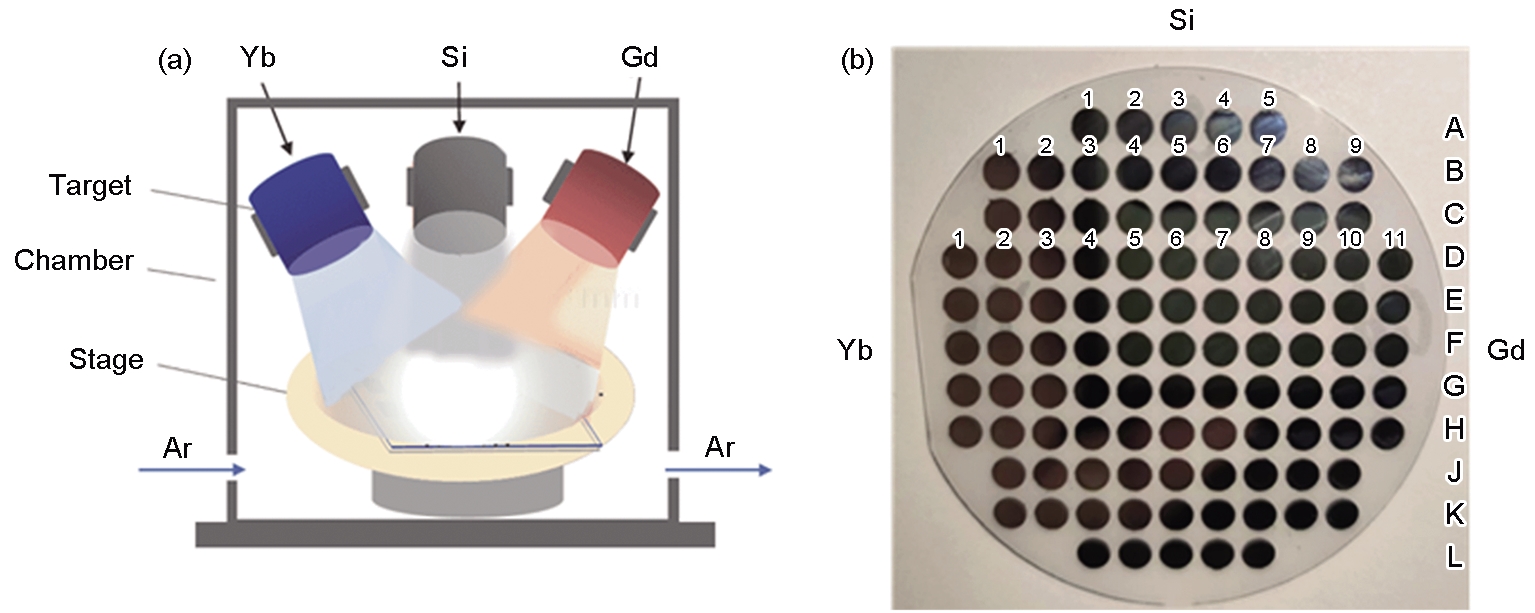
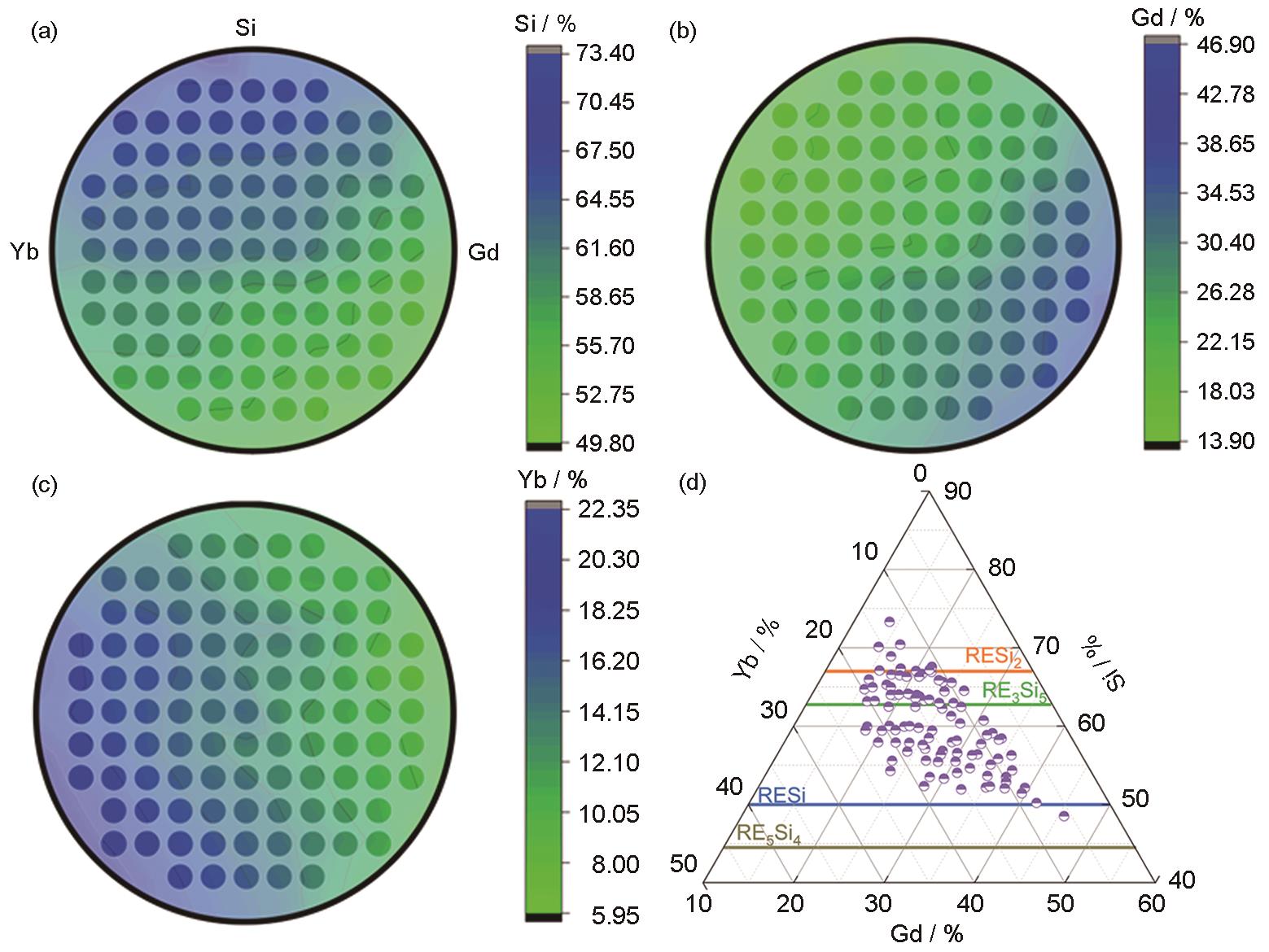
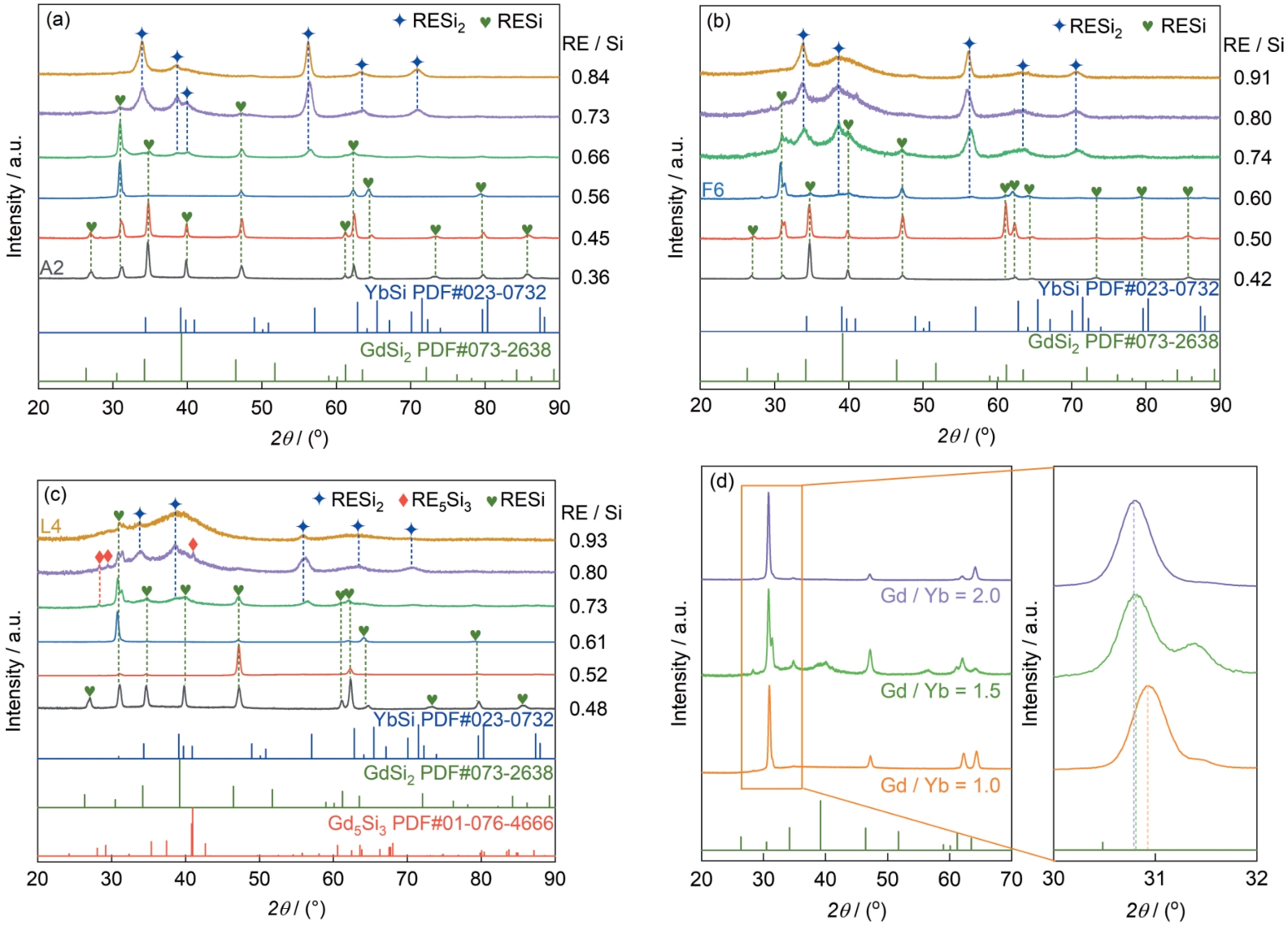
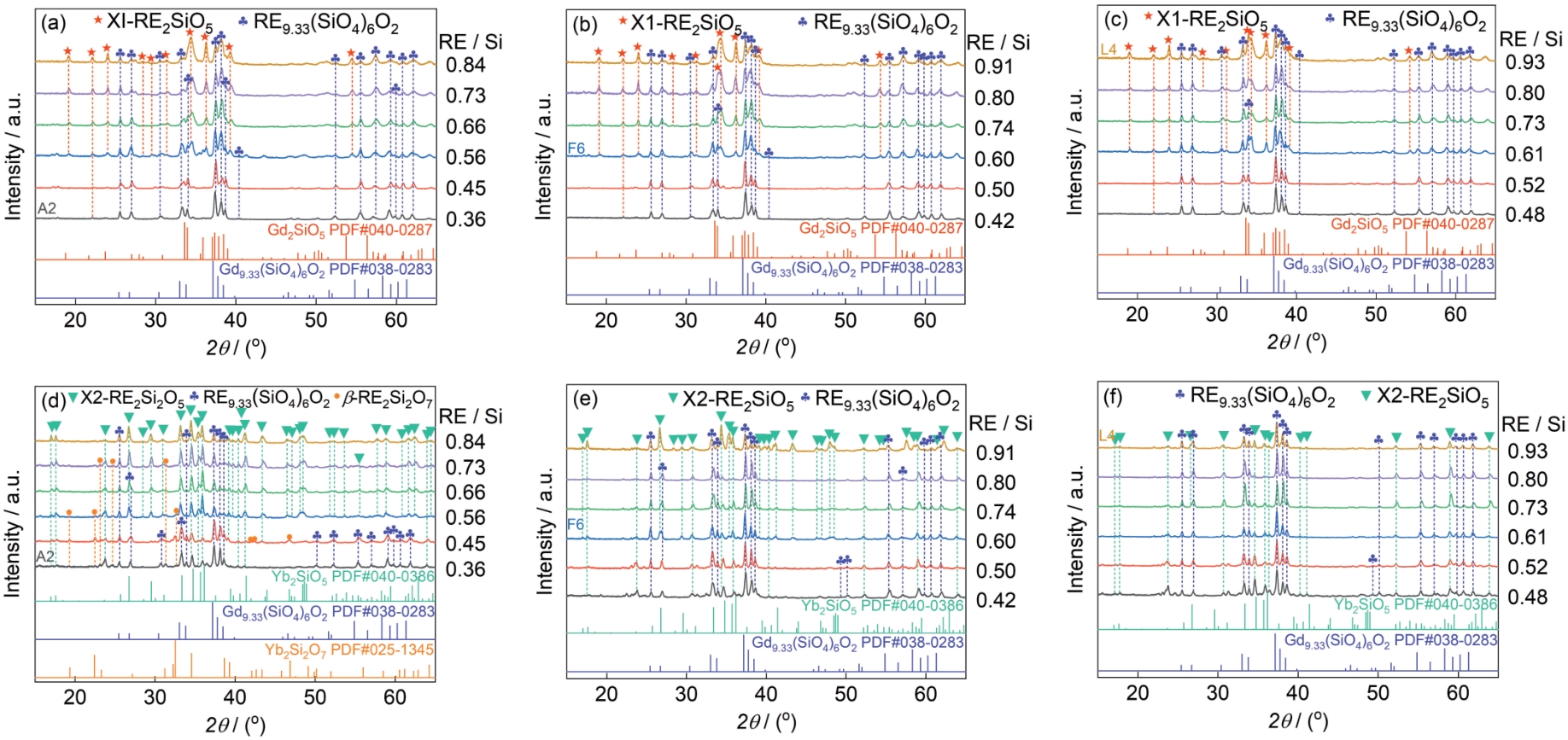
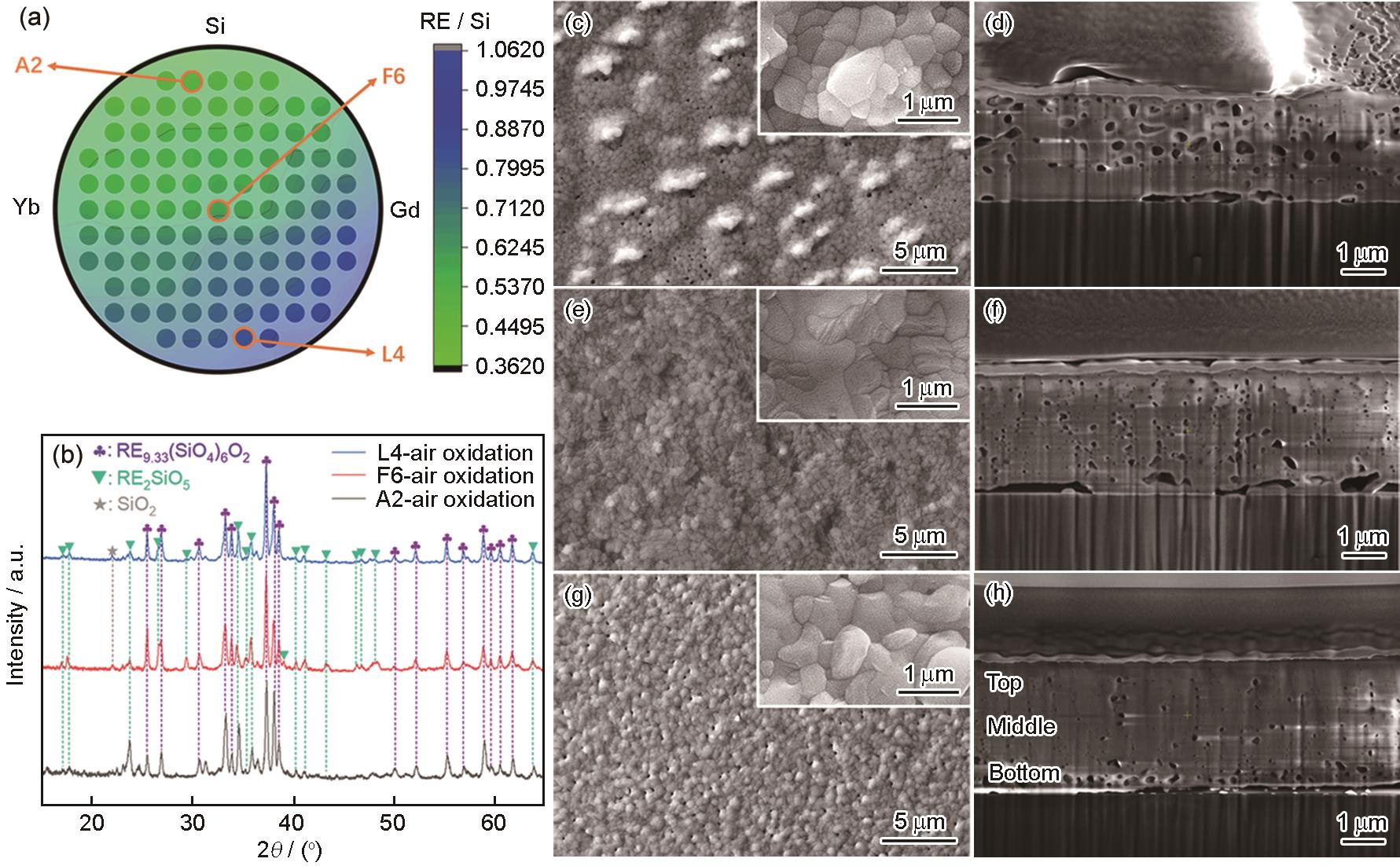
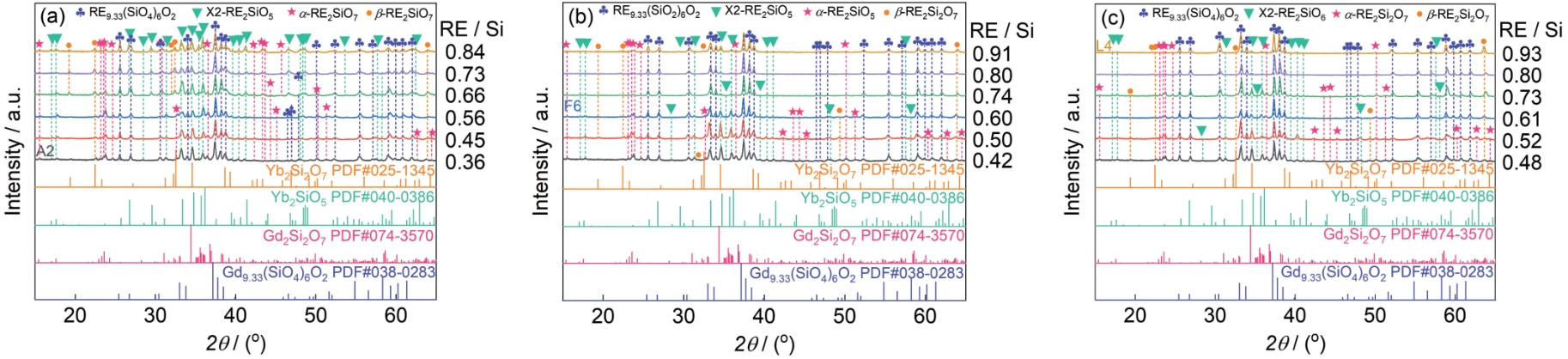
Abstract Silicon carbide fiber-reinforced silicon carbide ceramic matrix composites (SiCf/SiC CMCs) are considered strategic thermal, structural materials for advanced aircraft engines due to their lightweight, high specific strength, and excellent high-temperature capability. In harsh combustion environments, environmental barrier coatings (EBCs) are required to protect SiCf/SiC CMC from water vapor corrosion and low-melting-point oxide corrosion, ensuring the long-term serviceability of SiCf/SiC components. The development of next-generation high thrust-to-weight ratio aero engines has imposed more stringent requirements on the service life and temperature resistance of EBCs. Typical EBCs consist of a ceramic topcoat and a Si bond coat. However, the water vapor corrosion and oxidation of Si are essential factors contributing to EBC failure during service. Doping rare earth (RE) elements into the Si bond coat is expected to enhance its high-temperature capability and corrosion resistance, making it a promising strategy for developing advanced bond coat materials. For rare earth element-modified Si bond coat materials, composition variations fundamentally influence performance changes, including phase composition. However, the composition-property relationship of rare earth-modified Si bond coats remains unclear. In this study, Yb-Gd modified Si bond coat material chips were prepared using multi-target magnetron sputtering for co-deposition and were characterized using a high-throughput method. Transformation trends were identified by analyzing the phase composition and micromorphological changes in different Yb-Gd silicide compositions under extreme conditions (1100 and 1300 oC in an air atmosphere and 1300 oC in a water vapor-air atmosphere). It was found that the primary oxidation products of the Yb-Gd-Si ternary rare earth silicide at high temperatures are RE9.33(SiO4)6O2 and RE2SiO5 (where RE = Gd, Yb). RE2SiO5 undergoes a phase transformation from X1 to X2 as oxidation temperature increases. The morphology of Yb-Gd-Si silicide varies with composition after high-temperature water vapor corrosion. The corrosion mechanism involves initial oxidation, followed by the dissipation of Si and RE in the form of Si(OH)4 and RE(OH)3 under water vapor flow, where different silicon contents lead to distinct corrosion morphologies.
|
|
Received: 03 January 2025
|
|
|
| Fund: National Key Research and Development Program of China(2022YFB3707700);National Natural Science Foundation of China(U21A2063);National Natural Science Foundation of China(52372071);National Natural Science Foundation of China(52302076);International Partnership Program of the Chinese Academy of Sciences(172GJHZ2022094FN);Industry-University-Research Cooperation Project of AECC(HFZL2023CXY022);Liaoning Revitalization Talents Program(XLYC2002018);Liaoning Revitalization Talents Program(XLYC2203090) |
Corresponding Authors:
ZHANG Jie, professor, Tel: (024)23970490, E-mail: jiezhang@imr.ac.cn
|
| [1] |
Padture N P. Advanced structural ceramics in aerospace propulsion[J]. Nat. Mater., 2016, 15: 804
doi: 10.1038/nmat4687
pmid: 27443899
|
| [2] |
Menon M N, Fang H T, Wu D C, et al. Creep and stress rupture behavior of an advanced silicon nitride: Part I, experimental observations[J]. J. Am. Ceram. Soc., 1994, 77: 1217
doi: 10.1111/jace.1994.77.issue-5
|
| [3] |
Liu Q M, Huang S Z, Liu J, et al. Progress and application of high temperature structural materials on aero-engine[J]. Gas Turbine Exp. Res., 2014, 27(4): 51
|
|
刘巧沐, 黄顺洲, 刘 佳 等. 高温材料研究进展及其在航空发动机上的应用[J]. 燃气涡轮试验与研究, 2014, 27(4): 51
|
| [4] |
Li L B. Research progress on application and airworthiness compliance validation of ceramicmatrix composites in aeroengines[J]. Acta Mater. Compos. Sin., 2025, 42(1): 54
|
|
李龙彪. 陶瓷基复合材料在航空发动机应用与适航符合性验证研究进展[J]. 复合材料学报, 2025, 42(1): 54
|
| [5] |
Poerschke D L, Jackson R W, Levi C G. Silicate deposit degradation of engineered coatings in gas turbines: Progress toward models and materials solutions[J]. Annu. Rev. Mater. Res., 2017, 47: 297
doi: 10.1146/matsci.2017.47.issue-1
|
| [6] |
Eaton H E, Linsey G D. Accelerated oxidation of SiC CMC's by water vapor and protection via environmental barrier coating approach[J]. J. Eur. Ceram. Soc., 2002, 22: 2741
doi: 10.1016/S0955-2219(02)00141-3
|
| [7] |
Tejero-Martin D, Bennett C, Hussain T. A review on environmental barrier coatings: History, current state of the art and future developments[J]. J. Eur. Ceram. Soc., 2021, 41: 1747
doi: 10.1016/j.jeurceramsoc.2020.10.057
|
| [8] |
Wang J Y, Sun L C, Luo Y X, et al. Rare earth silicate environmental barrier coating material: High-entropy design and resistance to CMAS corrosion[J]. Acta Metall. Sin., 2023, 59: 523
doi: 10.11900/0412.1961.2022.00556
|
|
王京阳, 孙鲁超, 罗颐秀 等. 以抗CMAS腐蚀为目标的稀土硅酸盐环境障涂层高熵化设计与性能提升[J]. 金属学报, 2023, 59: 523
doi: 10.11900/0412.1961.2022.00556
|
| [9] |
Wang H Y, Luo Z X, Sun L C, et al. Comprehensive microstructural characterization and CMAS infiltration resistance of ytterbium disilicate coatings with lamellar and quasi-columnar structures[J]. Corros. Sci., 2023, 221: 111316
doi: 10.1016/j.corsci.2023.111316
|
| [10] |
Harder B J. Oxidation performance of Si-HfO2 environmental barrier coating bond coats deposited via plasma spray-physical vapor deposition[J]. Surf. Coat. Technol., 2020, 384: 125311
doi: 10.1016/j.surfcoat.2019.125311
|
| [11] |
Morigayama H, Miyazaki T, Usami S, et al. Phase stability of Yb-Gd-Si ternary alloys at elevated temperature[J]. J. Alloys Compd., 2020, 825: 154098
doi: 10.1016/j.jallcom.2020.154098
|
| [12] |
Golden R A, Opila E J. High-temperature oxidation of yttrium silicides[J]. J. Mater. Sci., 2018, 53: 3981
doi: 10.1007/s10853-017-1823-x
|
| [13] |
Okamoto H. Gd-Si (gadolinium-silicon)[J]. J. Phase Equilib. Diffus., 2009, 30: 213
doi: 10.1007/s11669-009-9477-2
|
| [14] |
Kim J, Jung I H. Critical evaluation and thermodynamic optimisation of the Si-RE systems: Part II. Si-RE system (RE = Gd, Tb, Dy, Ho, Er, Tm, Lu and Y)[J]. J. Chem. Thermodyn., 2015, 81: 273
doi: 10.1016/j.jct.2014.08.014
|
| [15] |
Miyazaki T, Usami S, Arai Y, et al. Oxidation behavior of ytterbium silicide in air and steam[J]. Intermetallics, 2021, 128: 106992
doi: 10.1016/j.intermet.2020.106992
|
| [16] |
Zhu D M, Farmer S, McCue T R, et al. Environmental stability and oxidation behavior of HfO2-Si and YbGd(O) based environmental barrier coating systems for SiC/SiC ceramic matrix composites[R]. Cleveland: National Aeronautics and Space Administration, 2017
|
| [17] |
Zhu D M. Development and property evaluation of selected HfO2-silicon and rare earth-silicon based bond coats and environmental barrier coating systems for SiC/SiC ceramic matrix composites[R]. Cleveland: National Aeronautics and Space Administration, 2016
|
| [18] |
Zhu D M. Advanced environmental barrier coatings for SiC/SiC ceramic matrix composite turbine components[A]. Engineered Ceramics: Current Status and Future Prospects[M]. Hoboken: Wiley, 2016: 187
|
| [19] |
Xiang H M, Xing Y, Dai F Z, et al. High-entropy ceramics: Present status, challenges, and a look forward[J]. J. Adv. Ceram., 2021, 10: 385
doi: 10.1007/s40145-021-0477-y
|
| [20] |
Rajan K. Combinatorial materials sciences: experimental strategies for accelerated knowledge discovery[J]. Annu. Rev. Mater. Res., 2008, 38: 299
doi: 10.1146/matsci.2008.38.issue-1
|
| [21] |
Lv X R, Lei Y M, Zhang Z, et al. Accelerating the design of multicomponent rare earth silicates for SiCf/SiC CMC by combinatorial material chip design and high throughput screening[J]. J. Mater. Sci. Technol., 2023, 150: 96
doi: 10.1016/j.jmst.2022.11.043
|
| [22] |
Miracle D B, Li M, Zhang Z H, et al. Emerging capabilities for the high-throughput characterization of structural materials[J]. Annu. Rev. Mater. Res., 2021, 51: 131
doi: 10.1146/annurev-matsci-080619-022100
|
| [23] |
Harris L A, Finch C B. Crystallographic data for Er2SiO5 and Y2SiO5 [J]. Am. Mineral., 1965, 50: 1493
|
| [24] |
Hu W P, Zhang J, Nian H Q, et al. Phase evolution of reactive sputtering synthesized holmium silicate coatings[J]. J. Am. Ceram. Soc., 2019, 102: 490
doi: 10.1111/jace.2019.102.issue-1
|
| [25] |
Alves M F R P, Santos C, Olhero S M, et al. Pressureless sintered lithium disilicate glass-ceramics: Influence of particle size and crystallization state[J]. J. Eur. Ceram. Soc., 2024, 44: 6135
doi: 10.1016/j.jeurceramsoc.2024.03.012
|
| [26] |
Takeda O, Uda T, Okabe T H. Treatise on Process Metallurgy[M]. Amsterdam: Elsevier, 2014: 995
|
| [27] |
Zhong X, Liang R H, Hong D, et al. Corrosion behavior and mechanism of ytterbium silicates environmental barrier coatings subjected to thermal cycling in water vapor[J]. J. Am. Ceram. Soc., 2024, 107: 387
doi: 10.1111/jace.v107.1
|
| [28] |
Wang Y W, Niu Y R, Zhong X, et al. Water vapor corrosion behaviors of plasma sprayed RE2SiO5 (RE = Gd, Y, Er) coatings[J]. Corros. Sci., 2020, 167: 108529
doi: 10.1016/j.corsci.2020.108529
|
| No Suggested Reading articles found! |
|
|
Viewed |
|
|
|
Full text
|
|
|
|
|
Abstract
|
|
|
|
|
Cited |
|
|
|
|
| |
Shared |
|
|
|
|
| |
Discussed |
|
|
|
|