|
|
|
| Low-Temperature Fatigue Crack Propagation Behavior of Bainitic Rail Steel |
LIU Rong, GAO Guhui( ), GUI Xiaolu, BAI Bingzhe ), GUI Xiaolu, BAI Bingzhe |
| School of Mechanical, Electronic and Control Engineering, Beijing Jiaotong University, Beijing 100044, China |
|
Cite this article:
LIU Rong, GAO Guhui, GUI Xiaolu, BAI Bingzhe. Low-Temperature Fatigue Crack Propagation Behavior of Bainitic Rail Steel. Acta Metall Sin, 2026, 62(9): 1541-1552.
|
|
|
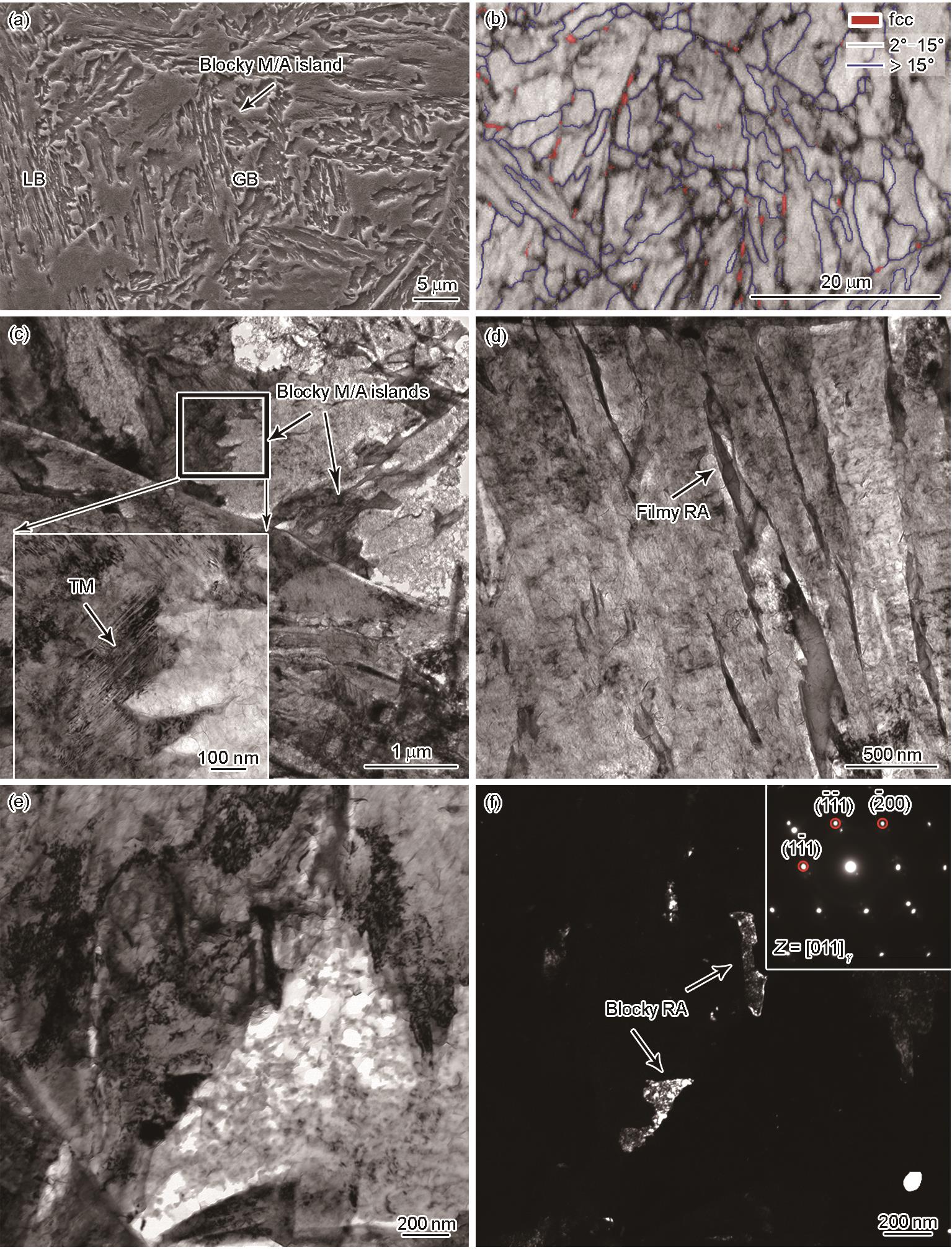
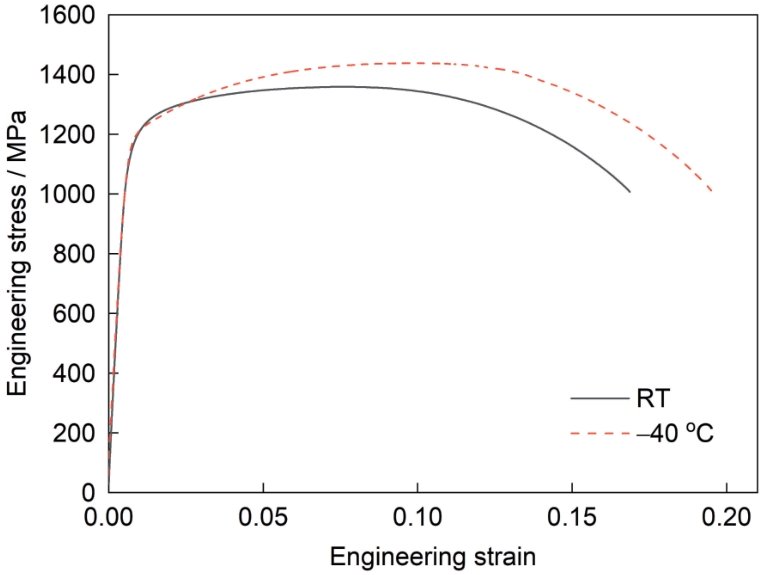
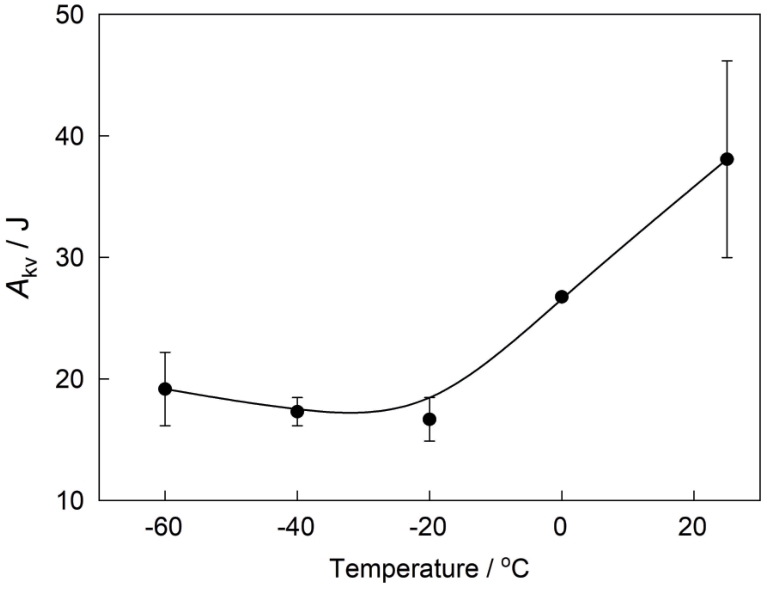
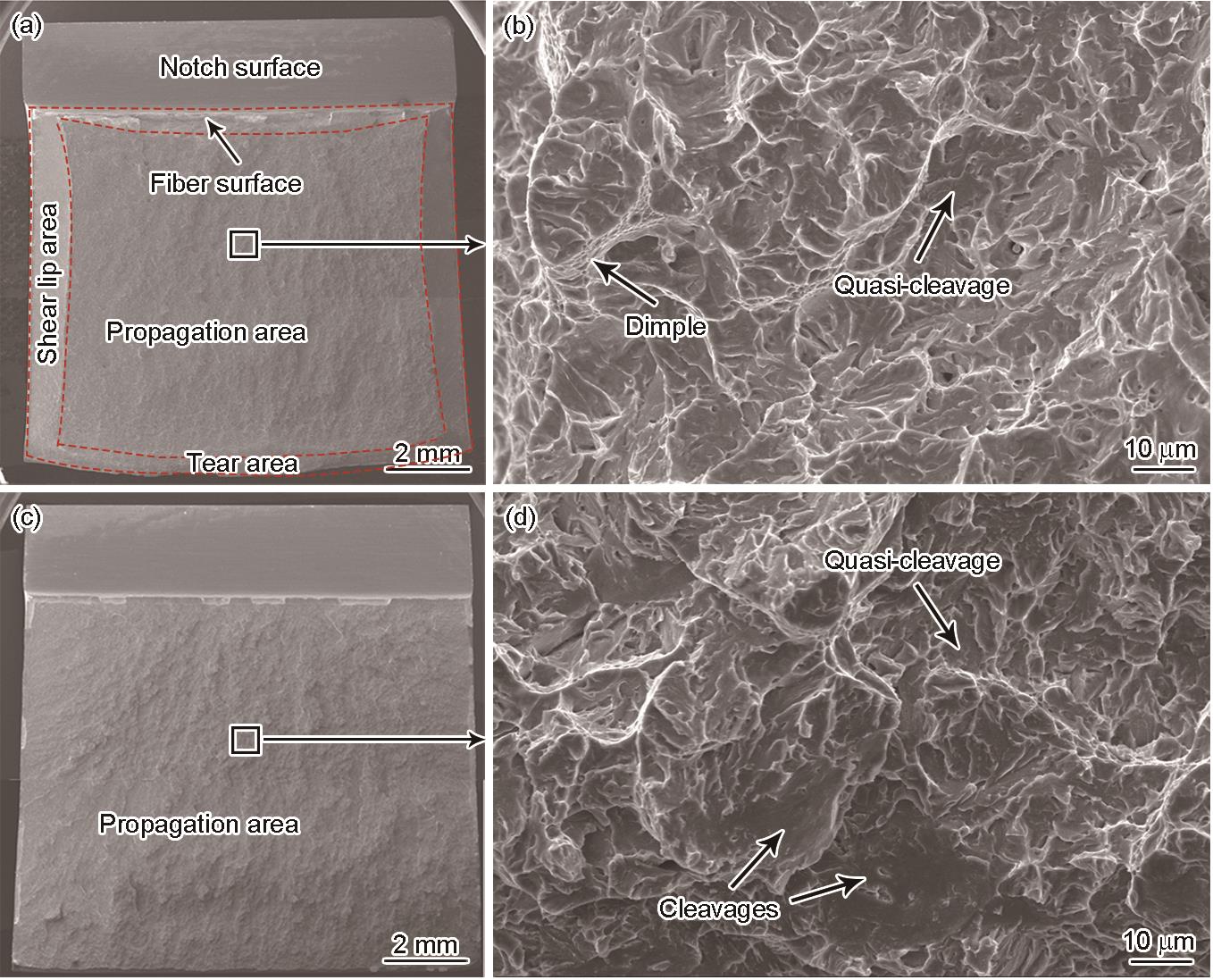
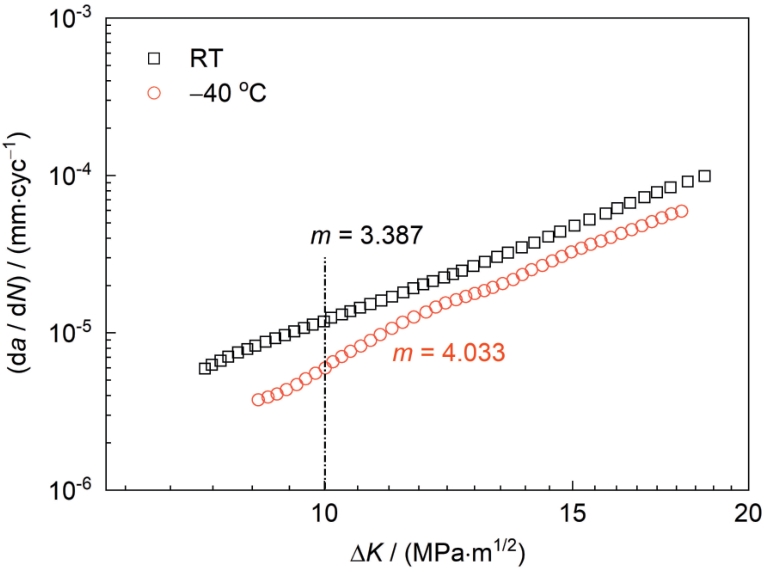
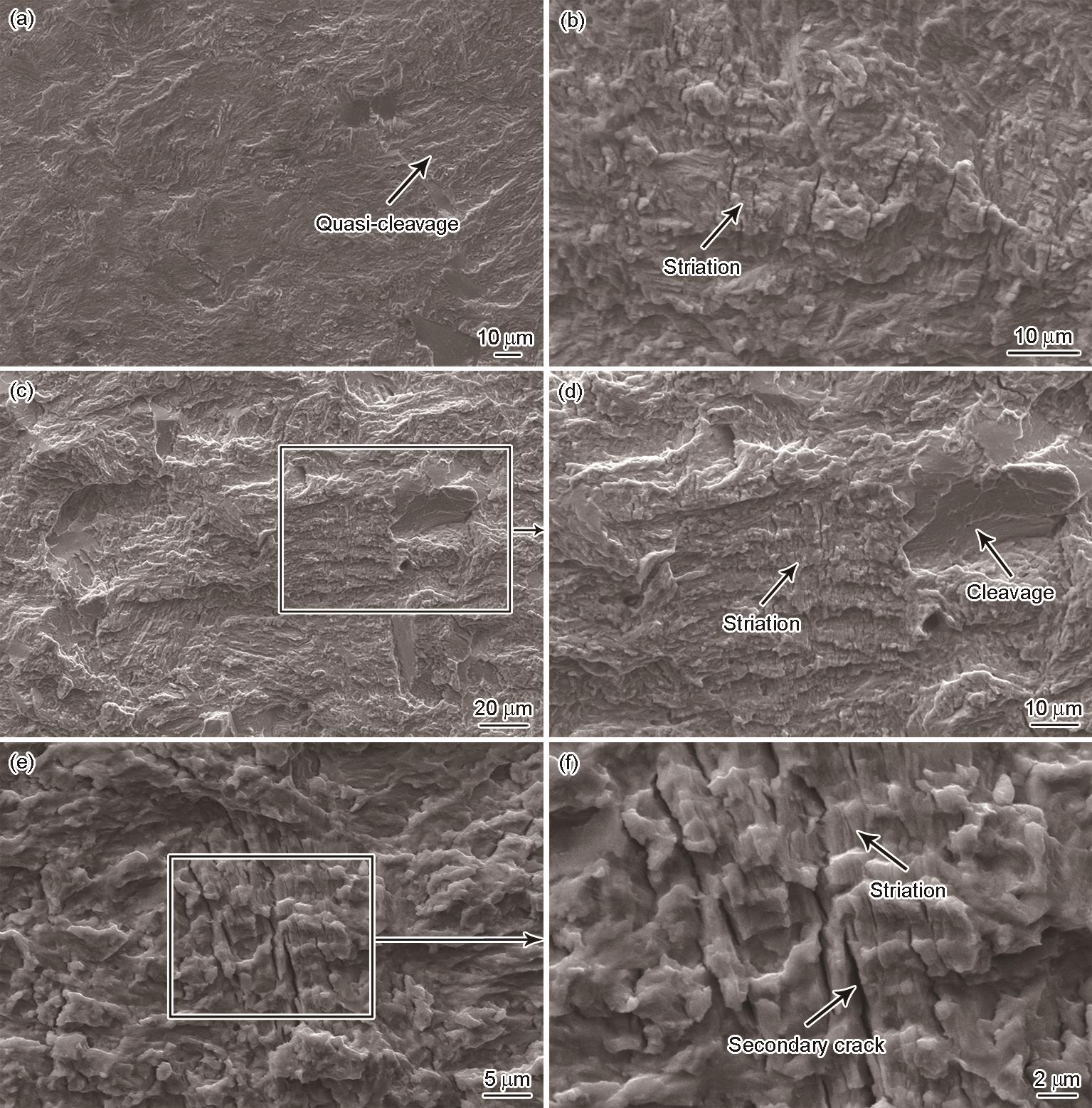
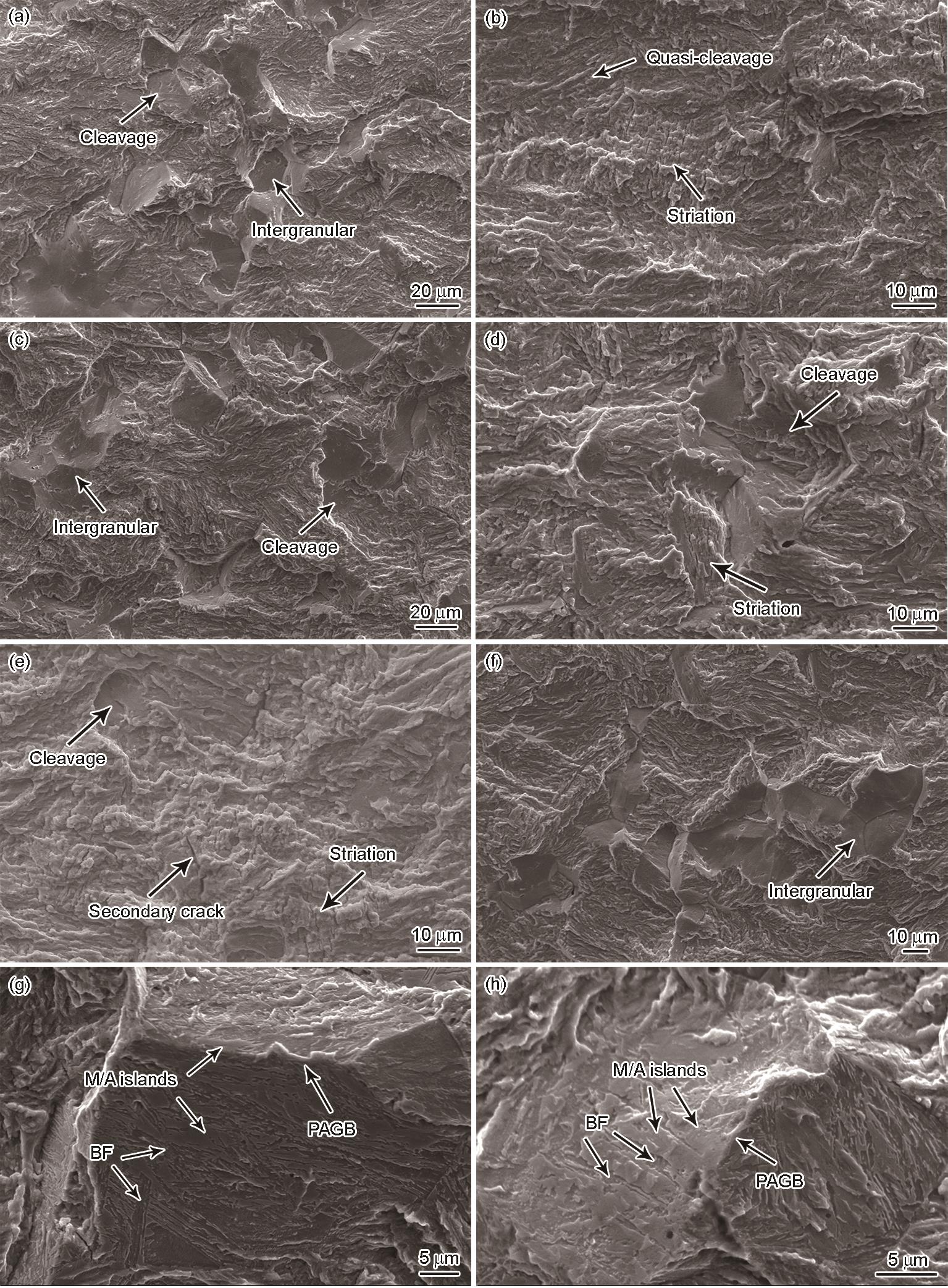
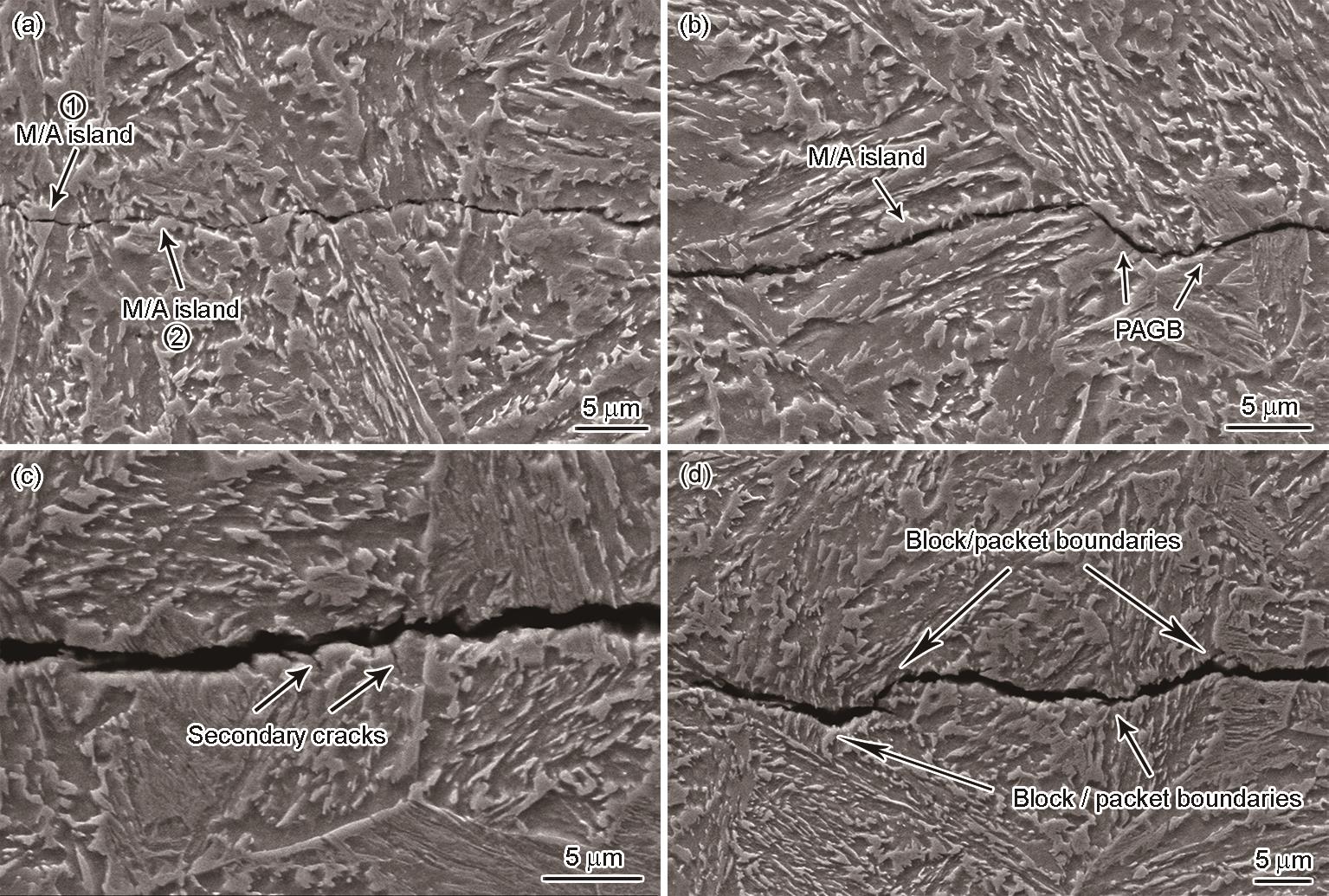
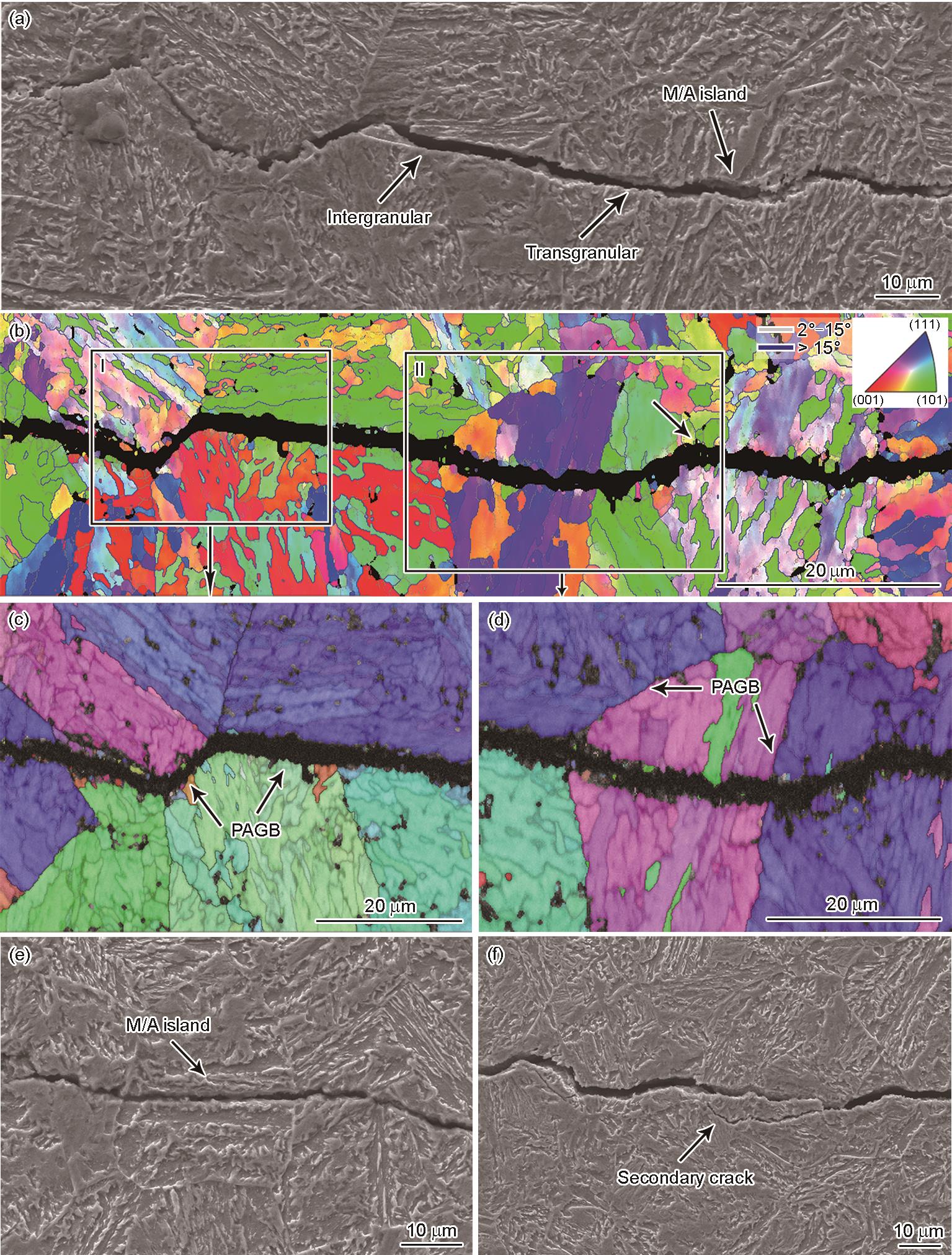
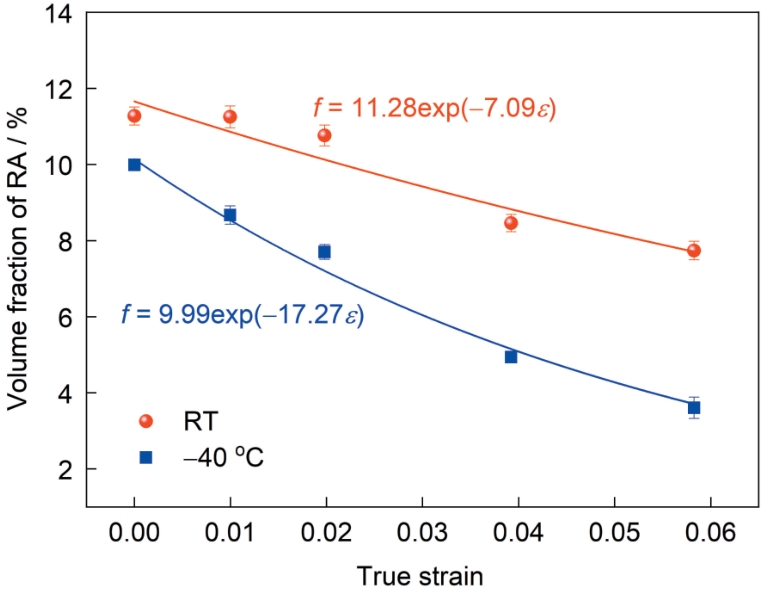
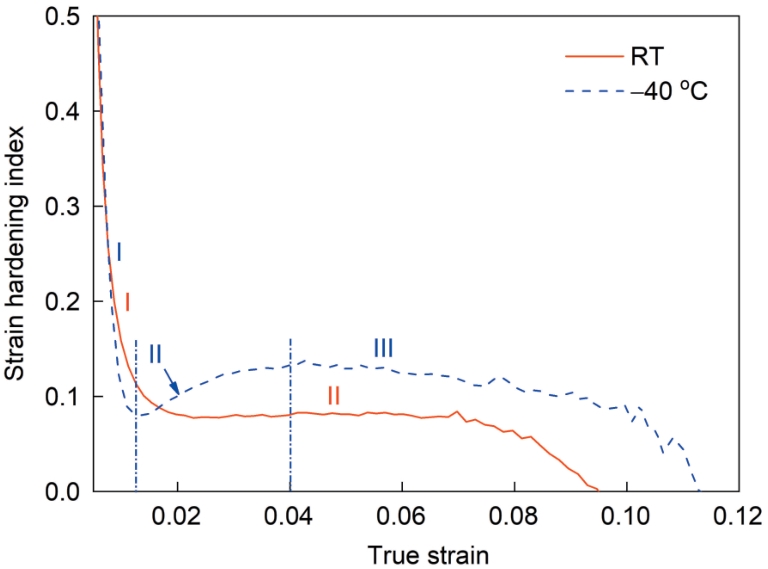
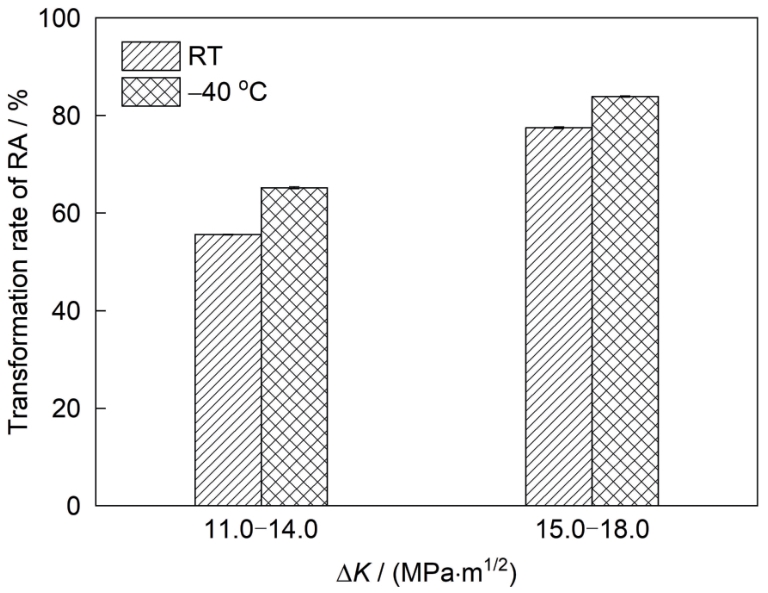
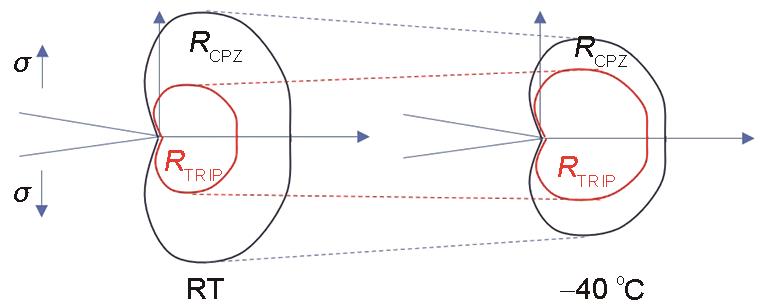
Abstract Bainitic rail steels have been extensively studied as a solution to the considerable fatigue and wear issues experienced with conventional pearlitic rails. With railway constructions in high-cold regions, the effect of low temperatures on the fatigue performance of railways has garnered considerable attention. Despite several studies on the room-temperature fatigue performance of high-strength steels, the effect of the microstructure, particularly retained austenite (RA), on the low-temperature fatigue crack growth behavior in bainitic rail steels remains unclear. This study examined the low-temperature fatigue crack propagation behavior of U20Mn2SiCrNiMo (U20Mn) bainitic rail steel subjected to hot rolling and air cooling. The microstructure of the bainitic rail steel was characterized employing SEM, TEM, EBSD, and XRD. The conventional mechanical properties and fatigue crack propagation rate (da / dN; where a is the crack length and N is the number of stress cycles) were determined at room temperature (20-25 oC) and -40 oC. The results demonstrated that the U20Mn bainitic rail steel was primarily composed of a granular bainite/martensite multiphase structure, with approximately 10% (volume fraction) RA. A decrease in the experimental temperature increased the tensile and yield strengths of the U20Mn rail steel; however, its impact toughness decreased. The da / dNvs stress intensity factor (ΔK) curves for U20Mn rail steel at room temperature and -40 oC indicated that the fatigue crack propagation rate reduced at low temperatures within the ΔK range of 8.0-18.0 MPa·m1/2. However, an examination of the fatigue fracture surface revealed a transition from ductile to brittle fractures at -40 oC. This indicates that the combined effects of the increased strength, decreased toughness, and changes in the stability of RA at low temperatures are the underlying factors responsible for the variation in the low-temperature fatigue crack propagation rate of bainitic rail steel.
|
|
Received: 12 November 2024
|
|
|
| Fund: National Key Research and Development Program of China(2021YFB3703500) |
Corresponding Authors:
GAO Guhui, professor, Tel: (010)51685495, E-mail: gaogh@bjtu.edu.cn
|
| [1] |
Sakai T, Sato Y, Oguma N. Characteristic S-N properties of high-carbon chromium-bearing steel under axial loading in long-life fatigue [J]. Fatigue Fract. Eng. Mater. Struct., 2002, 25: 765
doi: 10.1046/j.1460-2695.2002.00574.x
|
| [2] |
Shiozawa K, Lu L. Very high-cycle fatigue behaviour of shot-peened high carbon-chromium bearing steel [J]. Fatigue Fract. Eng. Mater. Struct., 2002, 25: 813
doi: 10.1046/j.1460-2695.2002.00567.x
|
| [3] |
Gao G H, Liu R, Fan Y S, et al. Mechanism of subsurface microstructural fatigue crack initiation during high and very-high cycle fatigue of advanced bainitic steels [J]. J. Mater. Sci. Technol., 2022, 108: 142
doi: 10.1016/j.jmst.2021.08.060
|
| [4] |
Ma L, Guo J, Liu Q Y, et al. Fatigue crack growth and damage characteristics of high-speed rail at low ambient temperature [J]. Eng. Failure Anal., 2017, 82: 802
doi: 10.1016/j.engfailanal.2017.07.026
|
| [5] |
Fang X Y, Cai Z B, Wang J G, et al. Evaluation of temperature-sensitive fatigue crack propagation of a high-speed railway wheel rim material [J]. Fatigue Fract. Eng. Mater. Struct., 2019, 42: 1815
doi: 10.1111/ffe.v42.8
|
| [6] |
Shen M X, Qin Y F, Ji D H, et al. Role of ambient temperature in the adhesion and damage characteristics of wheel/rail interface during rolling-sliding contact [J]. Wear, 2022, 506-507: 204458
doi: 10.1016/j.wear.2022.204458
|
| [7] |
Zhou L, Wang W J, Hu Y, et al. Study on the wear and damage behaviors of hypereutectoid rail steel in low temperature environment [J]. Wear, 2020, 456-457: 203365
doi: 10.1016/j.wear.2020.203365
|
| [8] |
Rackwitz J, Yu Q, Yang Y, et al. Effects of cryogenic temperature and grain size on fatigue-crack propagation in the medium-entropy CrCoNi alloy [J]. Acta Mater., 2020, 200: 351
doi: 10.1016/j.actamat.2020.09.021
|
| [9] |
Fan Y S, Gui X L, Liu M, et al. Effect of microstructure on wear and rolling contact fatigue behaviors of Bainitic/Martensitic rail steels [J]. Wear, 2022, 508-509: 204474
doi: 10.1016/j.wear.2022.204474
|
| [10] |
Yokoyama H, Mitao S, Yamamoto S, et al. High strength bainitic steel rails for heavy haul railways with superior damage resistance [J]. Nkk Tech. Rev., 2001, (84): 44
|
| [11] |
Hajizad O, Kumar A, Li Z L, et al. Influence of microstructure on mechanical properties of bainitic steels in railway applications [J]. Metals, 2019, 9: 778.
doi: 10.3390/met9070778
|
| [12] |
Bhadeshia H K D H. High performance bainitic steels [J]. Mater. Sci. Forum, 2005, 500-501: 63
doi: 10.4028/www.scientific.net/MSF.500-501
|
| [13] |
Gui X L, Gao G H, Guo H R, et al. Effect of bainitic transformation during BQ&P process on the mechanical properties in an ultrahigh strength Mn-Si-Cr-C steel [J]. Mater. Sci. Eng., 2017, A684: 598
|
| [14] |
Gao G H, Liu R, Wang K, et al. Role of retained austenite with different morphologies on sub-surface fatigue crack initiation in advanced bainitic steels [J]. Scr. Mater., 2020, 184: 12
doi: 10.1016/j.scriptamat.2020.03.036
|
| [15] |
Guo H R, Gao G H, Gui X L, et al. Structure-property relation in a quenched-partitioned low alloy steel involving bainite transformation [J]. Mater. Sci. Eng., 2016, A667: 224.
|
| [16] |
Cheng X, Gao G H, Liu R, et al. Development of air-cooled carbide-free bainite/martensite multiphase steel: Transformation kinetics, microstructure, and mechanical properties [J]. Steel Res. Int., 2024, 95: 2300619
doi: 10.1002/srin.v95.3
|
| [17] |
Gao G H, Gui X L, An B F, et al. Effect of finish cooling temperature on microstructure and low temperature toughness of Mn-series ultra-low carbon high strength low alloyed steel [J]. Acta Metall. Sin., 2015, 51: 21
doi: 10.11900/0412.1961.2014.00329
|
|
高古辉, 桂晓露, 安佰锋 等. 冷温度对Mn系超低碳HSLA钢组织及低温韧性的影响 [J]. 金属学报, 2015, 51: 21
doi: 10.11900/0412.1961.2014.00329
|
| [18] |
Wang B S, Chen N N, Cai Y, et al. Effect of crystallographic features on low-temperature fatigue ductile-to-brittle transition for simulated coarse-grained heat-affected zone of bainite steel weld [J]. Int. J. Fatigue, 2023, 170: 107523
doi: 10.1016/j.ijfatigue.2023.107523
|
| [19] |
Laird C. The influence of metallurgical structure on the mechanisms of fatigue crack propagation [A]. Fatigue Crack Propagation [M]. Philadelphia: American Society for Testing and Materials, 1967: 131
|
| [20] |
Zhao W D, Feng G Q, Ren H L, et al. Temperature-dependent characteristics of DH36 steel fatigue crack propagation [J]. Fatigue Fract. Eng. Mater. Struct., 2020, 43: 617
doi: 10.1111/ffe.v43.3
|
| [21] |
Jiang C P, Ma H C, Chen Y N, et al. Crack propagation behavior of dual-phase steel at low temperature [J]. Int. J. Fatigue, 2022, 155: 106633
doi: 10.1016/j.ijfatigue.2021.106633
|
| [22] |
Gao G H, Wang K, Su H, et al. The potential of mechanical twinning in ultrafine retained austenite to enhance high cycle fatigue property of advanced Bainitic steels [J]. Int. J. Fatigue, 2020, 139: 105804
doi: 10.1016/j.ijfatigue.2020.105804
|
| [23] |
Sugimoto K I, Kobayashi M, Hashimoto S I. Ductility and strain-induced transformation in a high-strength transformation-induced plasticity-aided dual-phase steel [J]. Metall. Trans, 1992, 23A: 3085
|
| [24] |
Zhou S, Zhang K, Wang Y, et al. High strength-elongation product of Nb-microalloyed low-carbon steel by a novel quenching-partitioning-tempering process [J]. Mater. Sci. Eng., 2011, A528: 8006
|
| [25] |
Curtze S, Kuokkala V T, Hokka M, et al. Deformation behavior of TRIP and DP steels in tension at different temperatures over a wide range of strain rates [J]. Mater. Sci. Eng., 2009, A507: 124
|
| [26] |
Sahu V K, Anil Kumar J K S, Mohanty J R, et al. Effect of low‐temperature over load on fatigue crack growth retardation and prediction of post overload fatigue life [J]. Aerosp. Sci. Technol., 2014, 33: 100
doi: 10.1016/j.ast.2014.01.005
|
| [27] |
Wang B S, Chen N N, Cai Y, et al. Low-temperature fatigue ductile-to-brittle transition behavior and mechanism for simulated coarse-grained heat-affected zone of a high-strength low-alloy bainite steel [J]. J. Mech. Eng., 2024, 60: 271
|
|
王博士, 陈楠楠, 蔡 艳 等. 低合金贝氏体高强钢模拟焊接粗晶热影响区低温疲劳韧脆转变行为及机制 [J]. 机械工程学报, 2024, 60: 271
|
| [28] |
Yang M, Zhong Y, Liang Y L. Effect of hierarchical microstructures of lath Martensite on the transitional behavior of fatigue crack growth rate [J]. Met. Mater. Int., 2018, 24: 970
doi: 10.1007/s12540-018-0117-4
|
| [29] |
Burda I, Zweiacker K, Arabi-Hashemi A, et al. Fatigue crack propagation behavior of a micro-bainitic TRIP steel [J]. Mater. Sci. Eng., 2022, A840: 142898
|
| [30] |
Agnani M, Findley K O, Thompson S W. Effects of retained austenite and martensite microstructure on fatigue crack propagation in quenched and tempered high carbon steels [J]. Int. J. Fatigue, 2024, 188: 108529
doi: 10.1016/j.ijfatigue.2024.108529
|
| [31] |
Hilditch T B, Timokhina I B, Robertson L T, et al. Cyclic deformation of advanced high-strength steels: Mechanical behavior and microstructural analysis [J]. Metall. Mater. Trans., 2009, 40A: 342
|
| [32] |
Mayer H R, Stanzl-Tschegg S E, Sawaki Y, et al. Influence of transformation-induced crack closure on slow fatigue crack growth under variable amplitude loading [J]. Fatigue Fract. Eng. Mater. Struct., 1995, 18: 935
doi: 10.1111/ffe.1995.18.issue-9
|
| [33] |
Elber W. The significance of fatigue crack closure [A]. Damage Tolerance in Aircraft Structures [M]. Philadelphia: ASTM, 1971: 230
|
| [34] |
Cheng X, Petrov R, Zhao L, et al. Fatigue crack growth in TRIP steel under positive R-ratios [J]. Eng. Fract. Mech., 2008, 75: 739
doi: 10.1016/j.engfracmech.2007.01.019
|
| [35] |
Wang X G, Liu C H, Sun B H, et al. The dual role of martensitic transformation in fatigue crack growth [J]. Proc. Natl. Acad. Sci. USA, 2022, 119: e2110139119
doi: 10.1073/pnas.2110139119
|
| No Suggested Reading articles found! |
|
|
Viewed |
|
|
|
Full text
|
|
|
|
|
Abstract
|
|
|
|
|
Cited |
|
|
|
|
| |
Shared |
|
|
|
|
| |
Discussed |
|
|
|
|